July 30, 2026
Choosing the right crane rental for your project can make the difference between a smooth operation and costly, frustrating delays. With so many options available, understanding how to pair the right equipment with your specific job parameters is vital for safety, efficiency, and budget management. Whether you are managing a small residential build or a complex commercial development, taking the time to evaluate your needs will keep your timeline on track. In this guide, we will explore everything you need to know to make an informed, confident decision for your next project.
Analyze Your Heavy Lifting and Transport Needs
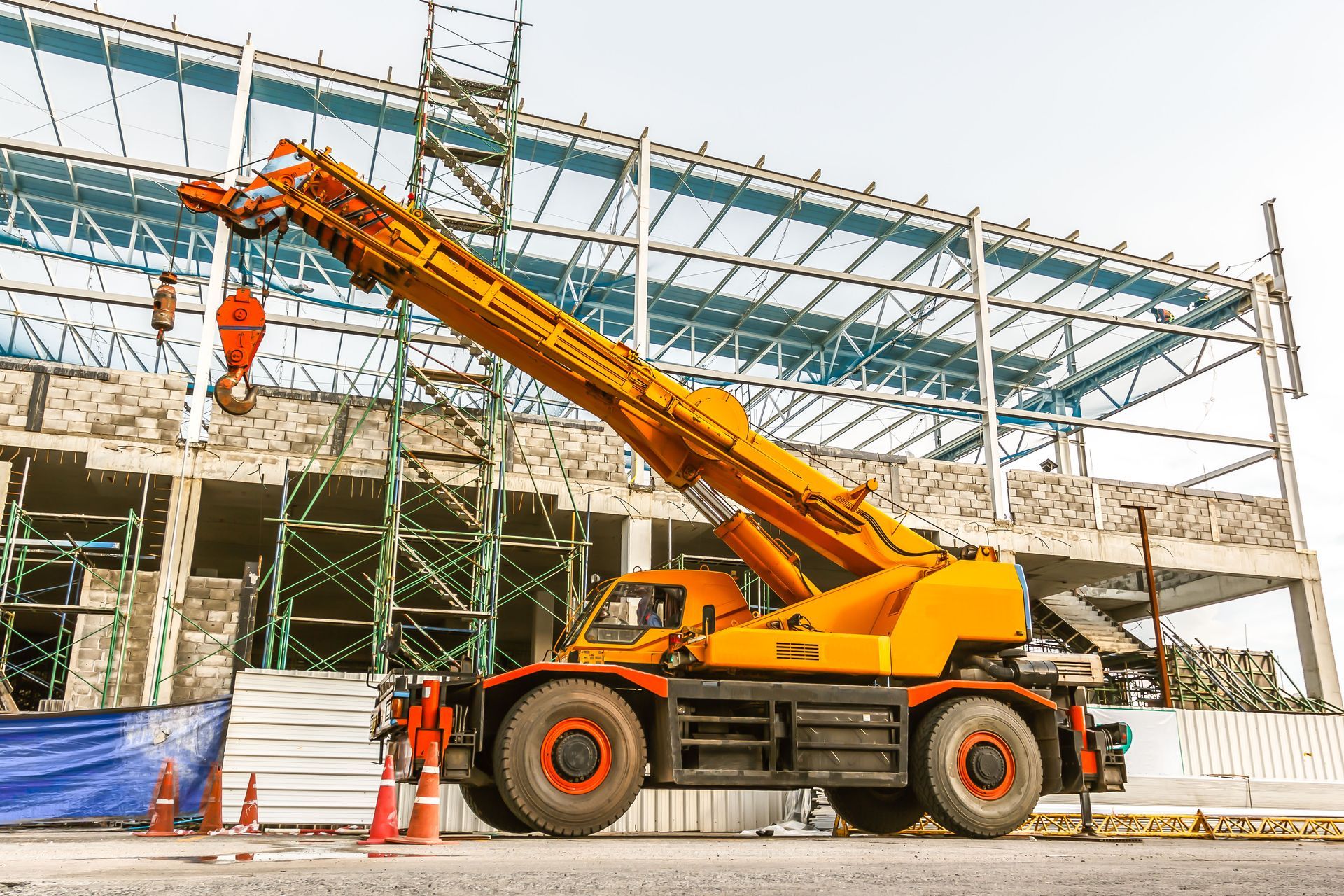
Before selecting equipment for your crane rental, you must evaluate the size, weight, and dimensions of the materials you need to move. Identifying these factors prevents you from acquiring machinery that lacks sufficient power or choosing oversized equipment that creates unnecessary costs. Every job requires an accurate assessment of working space, potential obstacles, and structural constraints. According to research from Future Market Insights, standard rental crane capacities usually range from small to medium capacity (10-100 tons), making them ideal for residential tasks and light commercial construction builds. By assessing your precise capacity demands early, you ensure the equipment on your site matches your exact structural requirements.
In addition to capacity, you must calculate the maximum height and reach required for your materials. Cranes must operate within strict load radius limits to remain stable throughout every lift. If your site requires moving materials across distances or onto upper floors, you must choose equipment designed for those specific trajectories. Evaluating spatial boundaries early prevents structural interference and ensures that daily operations proceed smoothly from start to finish.
Review Your On-Site Conditions and Terrains
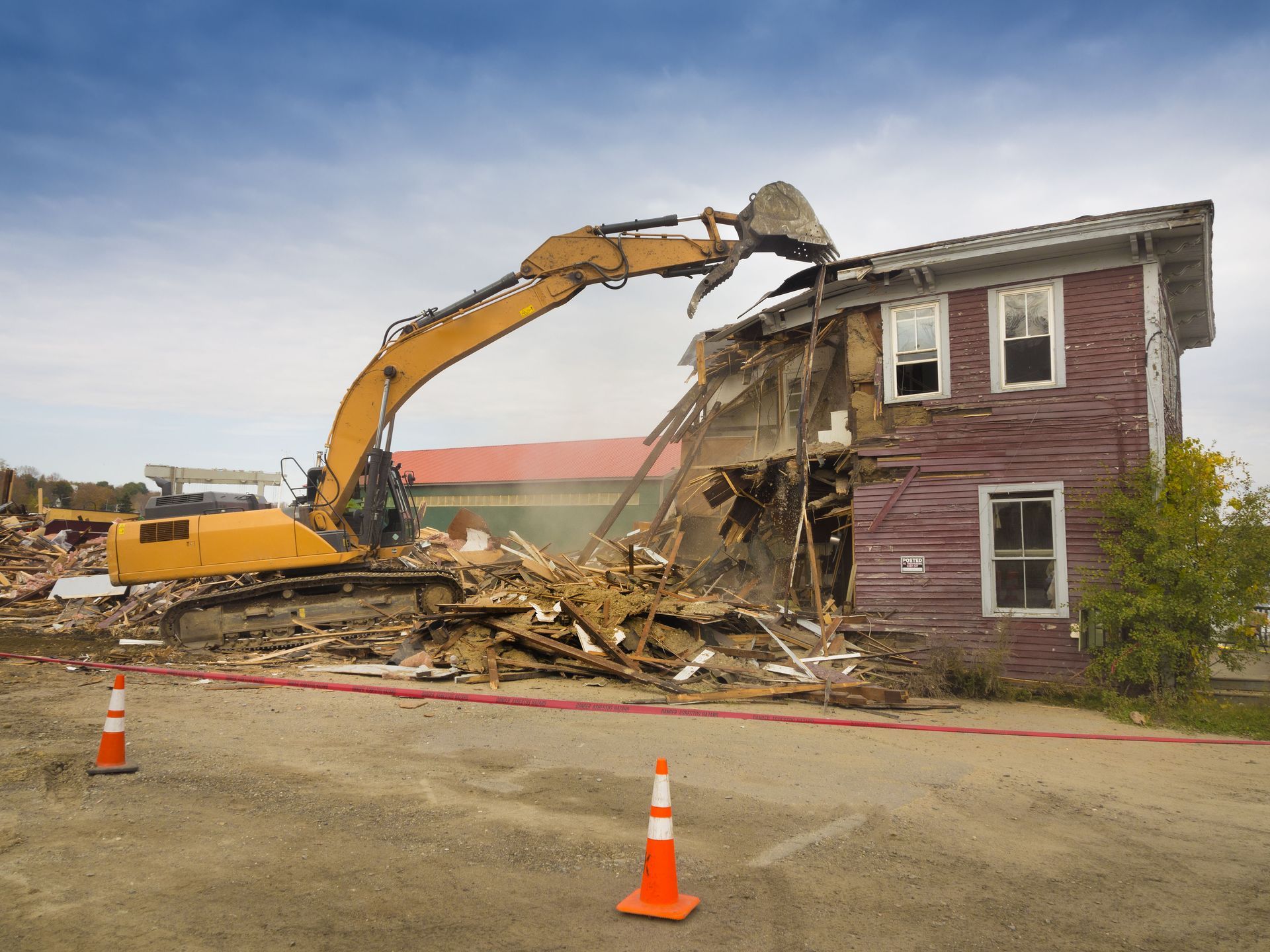
The physical layout of your job site plays a massive role in determining which machinery will perform best. Uneven ground, soft soil, and tight urban spaces all present distinct operational challenges that require targeted equipment solutions. For unpaved or rugged landscapes, specialized equipment with heavy-duty tracks or high-clearance tires is essential to maintain traction and balance. On the other hand, compact equipment works best when maneuvering through crowded city streets or cramped residential yards. Moreover, assessing the soil composition is crucial to preemptive machinery limitations and to enable better terrain management strategies. Consistent review of site conditions can preempt costly equipment malfunctions and ensure a seamless operation throughout the project lifecycle.
Environmental elements also dictate how work moves forward day to day. High winds, heavy rainfall, and freezing temperatures can affect equipment stability and overall job safety. Before scheduling your equipment, assess the surrounding area for overhead power lines, underground utility vaults, or structural overhangs. Proper site evaluations guarantee that the machinery you bring in can enter, operate, and exit without causing damage or suffering operational downtime. Conducting regular environmental assessments can also help adapt strategies swiftly in response to changing weather conditions. Taking proactive steps to understand and mitigate environmental impacts can significantly enhance operational resilience and reduce unexpected disruptions.
Prioritize Safety Regulations and Operator Qualifications
Operating heavy machinery requires strict adherence to industry safety standards and local regulatory requirements. Selecting the proper equipment is only half the battle; ensuring that it is operated by qualified personnel is equally vital. Professional operators undergo rigorous training to manage complex lifts, handle unpredictable weather shifts, and maintain site safety. Having CCO-Certified Crane Operators on site drastically reduces project risks and ensures that every lift meets stringent safety guidelines. Investing in continuous training for your operators can enhance site efficiency and ensure compliance with evolving safety standards.
Comprehensive maintenance records are another crucial element when evaluating equipment options. Regularly serviced machinery runs efficiently, encounters fewer mechanical failures, and keeps your project moving on schedule. Always confirm that your equipment provider follows rigorous inspection schedules and maintains full compliance with national safety codes. Prioritizing well-maintained equipment and certified professionals protects your crew, your site, and your overall investment. Implementing a proactive maintenance schedule can further minimize downtime and expedite project timelines.
Calculate Budget Options and Potential Overruns
Budgeting for heavy machinery requires looking beyond the baseline daily rate. To build an accurate financial plan, you must factor in mobilization costs, operation duration, and potential project extensions. Short-term projects usually benefit from flexible daily or weekly rates, whereas extended construction ventures yield better value through long-term arrangements. Evaluating all potential costs upfront prevents unexpected financial surprises down the line. It's also wise to establish a contingency fund to cover unforeseen expenses during the project execution phase.
You should also factor in logistical expenses like transportation, assembly, and disassembly. Depending on the size of the equipment, moving machinery to and from the site may require specialized haulers or additional permits. Clarifying these details in your crane rental agreement allows you to accurately compare options and choose a path that fits your project budget without sacrificing quality or performance. Planning logistics meticulously in advance will streamline the delivery and setup process, reducing potential delays and additional costs.
Coordinate Logistics for Delivery and Storage
Smooth logistics keep construction projects moving without unnecessary delays. Coordinating precise drop-off and pick-up schedules ensures that machinery arrives exactly when your crew is ready to work. If equipment arrives too early, it can block access routes; if it arrives late, work comes to a standstill. Establishing clear communication between site managers and equipment providers ensures seamless transitions during every phase of the job. Implementing a contingency plan for any logistical hiccups can further safeguard project timelines.
If your site has space constraints or requires secure equipment housing, arranging dedicated storage and trucking services can solve significant operational headaches. Having a streamlined plan for material transport and equipment staging prevents site congestion and keeps your workflow organized. Efficient staging allows your team to focus on the build without worrying about spatial bottlenecks. Utilizing technology for inventory tracking can enhance the efficiency of these operations.
Select a Reliable Equipment Partner
Partnering with a dedicated provider for a crane rental is the final step in securing a successful equipment rental experience. A reliable partner brings industry experience, a diverse inventory, and flexible terms tailored to your unique build demands. Look for providers that offer ongoing customer support, a transparent pricing structure, and updated machinery fleets that utilize modern safety features. Conducting regular performance reviews of your equipment partner can ensure sustained quality and service.
Flexibility is essential when working in construction, as timelines and site conditions can shift unexpectedly. Having access to responsive customer support ensures that any job site challenges are addressed immediately. Working alongside an experienced provider gives you the resources, advice, and operational backing needed to tackle demanding project goals with complete confidence. Developing a long-term relationship with your equipment partner can lead to better collaboration and reduced costs over time.
Choosing the ideal crane rental comes down to assessing your site demands, understanding capacity requirements, and prioritizing safety at every step. By thoroughly reviewing your site conditions, budget constraints, and logistical needs, you set your job up for continuous progress and success. When you are ready to secure high-quality equipment, professional transport, and certified expertise for your next build, Schumacher Crane Rental Inc is here to help. We offer high-performance equipment, storage and trucking services, delivery available straight to your site, CCO-Certified Crane Operators, and 24/7 availability to keep your operation running smoothly around the clock. Contact us today to discuss your site needs and secure the perfect
crane rental for your upcoming project.