October 1, 2026
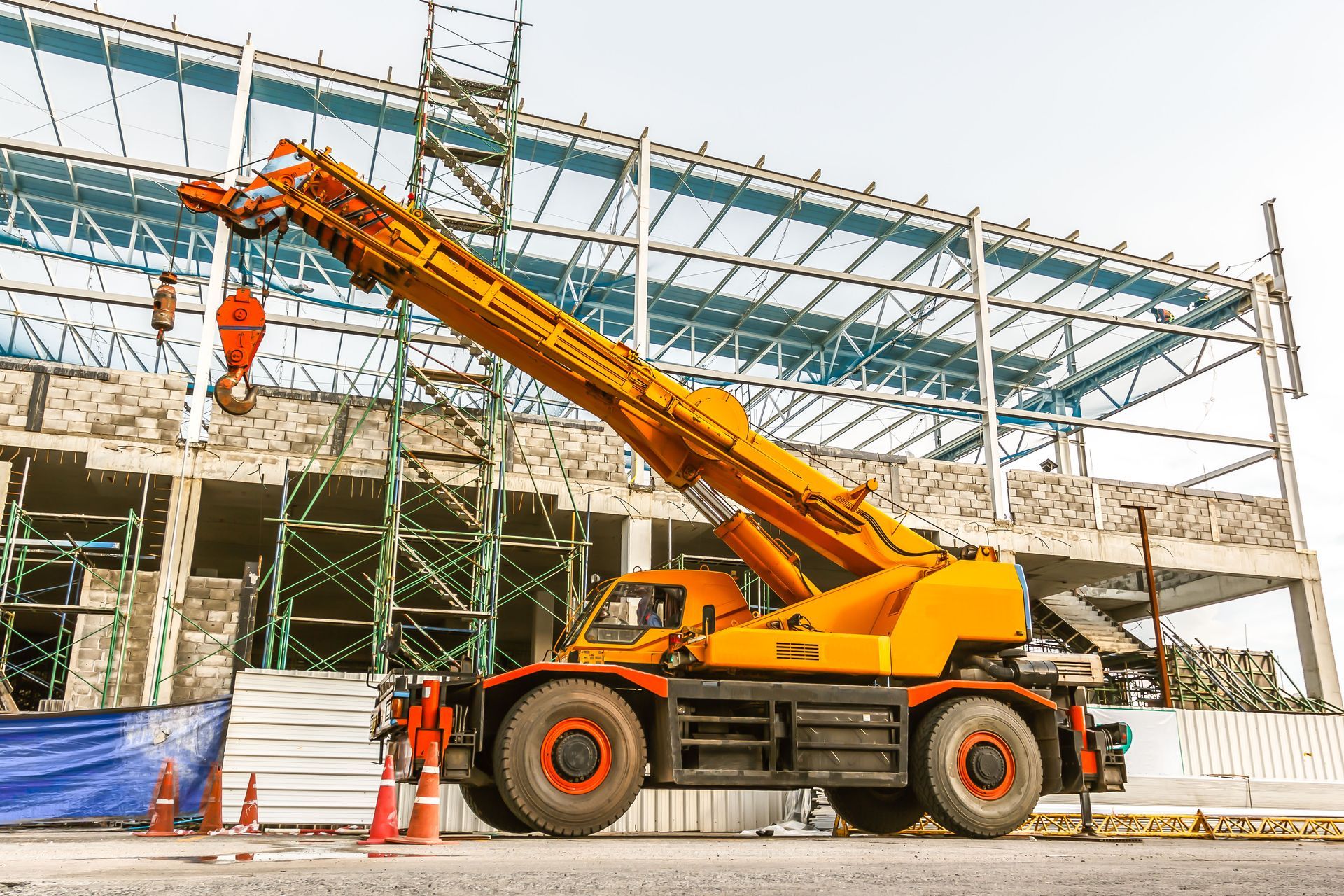
Construction projects often require specialized equipment for only a limited portion of the work. A contractor may need to lift heavy materials, position structural components, or move equipment into an elevated area without having an ongoing need for a crane after that phase is complete. In these situations, renting can provide access to the necessary machinery without creating a long-term ownership commitment.
Short-term construction work can also involve changing conditions and demanding schedules. Having the right equipment available when it is needed can help crews organize their work and keep material handling from becoming a major obstacle. Working with a crane company gives contractors an option for incorporating specialized lifting equipment into a project while keeping the arrangement focused on the job's specific requirements.
1. Reduce Equipment Investment
Purchasing a crane represents a substantial financial commitment that may not make sense for a contractor completing a short-term project. The initial purchase is only one part of the expense. Equipment ownership can also involve maintenance, repairs, inspections, storage, transportation, and other responsibilities that continue even when the machine is not actively being used.
Renting allows contractors to access specialized equipment without taking on all of the responsibilities associated with permanent ownership. Rather than purchasing a machine that may spend long periods sitting unused, a contractor can arrange for equipment to be available during the portion of the project when its lifting capabilities are actually necessary.
This can help keep project resources focused on immediate construction needs. Money that might otherwise be committed to purchasing a crane can remain available for materials, labor, site preparation, permits, subcontractors, or unexpected expenses that arise during construction.
Rental can also provide a practical option for smaller contractors or businesses that do not regularly perform projects requiring heavy lifting. Instead of maintaining a large equipment inventory for occasional needs, contractors can bring in specialized machinery when a particular project calls for it.
2. Match Equipment to Project Needs
Not every construction project requires the same type of lifting equipment. The appropriate crane can depend on factors such as the weight of the materials, the height they need to reach, the distance involved, the available workspace, and the conditions surrounding the jobsite. Renting gives contractors an opportunity to choose equipment based on the work at hand.
A crane company can help contractors consider these requirements before equipment arrives at the jobsite. Discussing the project in advance can make it easier to identify the type of lifting capability needed rather than simply selecting equipment based on availability.
This can be especially useful for projects with unusual or specialized requirements. A renovation involving an elevated addition may present different challenges from a commercial construction project where heavy structural components must be positioned within a larger work area.
According to Bob Vila, cranes can be particularly useful for home additions and third-floor renovations because some can extend their booms about forty-two feet, allowing them to reach the upper levels of many homes. This illustrates how specialized lifting equipment can provide access to areas that would otherwise be difficult to reach efficiently.
3. Improve Jobsite Efficiency
Moving heavy materials manually can take considerable time and require multiple workers to coordinate each movement. When materials need to travel significant distances or reach elevated locations, repeated manual handling can slow other construction activities. A crane can provide a more direct method for moving appropriate loads into position.
Using lifting equipment can help crews coordinate material placement with the construction sequence. Rather than having materials remain at ground level until workers can find a way to move them, the team can plan when and where specific loads need to be lifted.
This can help reduce unnecessary movement around the jobsite. Materials can potentially be placed closer to the location where they will be installed, allowing workers to transition more efficiently from material handling to the next stage of construction.
Efficiency can be particularly important when several trades are working within the same area. A well-planned lifting operation can help minimize disruptions and give different crews a clearer understanding of when materials will arrive at their work areas.
4. Support Safer Material Handling
Heavy construction materials can create significant handling challenges when workers attempt to move them without appropriate equipment. Large or awkward loads may be difficult to grip, carry, position, or maneuver safely. Elevated work introduces additional challenges because materials must reach higher locations without creating unnecessary risks for workers below or nearby.
A crane company can provide access to equipment specifically designed for lifting and positioning appropriate loads. When the equipment is selected correctly and operated according to established safety procedures, it can reduce the need for workers to physically handle certain heavy materials.
Proper planning remains essential. The lifting team needs to understand the characteristics of the load, the surrounding environment, the equipment's capabilities, and the requirements for establishing a suitable work area.
Renting a crane does not automatically make a lifting operation safe. However, having equipment designed for the task can give a construction team a more suitable method for handling materials that would be difficult or hazardous to move manually.
5. Adapt to Changing Timelines
Construction schedules rarely remain completely unchanged. Weather, material availability, inspections, subcontractor schedules, site conditions, and unexpected discoveries can all affect when different phases of a project take place. Renting specialized equipment can provide flexibility when lifting needs are tied to a particular stage of construction.
Instead of maintaining a crane regardless of the project's progress, contractors can arrange rental periods around the work that actually requires the equipment. This can help prevent specialized machinery from becoming a permanent fixture when it is only needed temporarily.
Rental flexibility can also be useful when contractors manage several different types of projects. One project may require materials to be lifted to an upper level, while another may require equipment to be positioned within a restricted work area. Renting allows contractors to address those individual requirements without maintaining every possible type of lifting equipment themselves.
Communication is an important part of that flexibility. Discussing the anticipated schedule with the rental provider can help everyone understand when equipment needs to arrive, how long it may be required, and what conditions could affect the planned lifting operation.
6. Simplify Project Logistics
Large construction equipment involves more than simply having a machine available at the jobsite. Contractors may need to consider transportation, setup, access, operating requirements, storage, maintenance, and eventual removal. When equipment is rented for a specific project, these considerations can be incorporated into a defined plan rather than becoming a permanent part of the contractor's equipment responsibilities.
Planning the jobsite before the crane arrives is particularly important. The team may need to determine where the equipment will be positioned, how materials will approach the lifting area, and how the operation will interact with workers, vehicles, structures, and other equipment.
A crane company can also provide useful insight during the planning process. Contractors can explain the project's scope, the materials involved, the intended lifting locations, and the anticipated schedule.
Good logistics can prevent avoidable delays. If equipment access, material staging, or setup requirements are overlooked, the lifting operation may interfere with other construction activities. Addressing these details before the equipment arrives can make the overall process more organized.
Short-term construction projects do not always justify purchasing specialized lifting equipment. When a crane is only needed for a specific phase of a job, renting can provide access to the capabilities required without creating a permanent equipment commitment.
For projects involving elevated construction, heavy materials, structural work, renovations, or other demanding lifting tasks, having the appropriate equipment can make the work more manageable. A crane company can help contractors evaluate their requirements and plan for the equipment needed at the right stage of the project.
When your next short-term construction project requires specialized lifting, don't let equipment limitations slow the work down. Contact Schumacher Crane Rental Inc to discuss the project, coordinate the right rental solution, and get the lifting support your job needs.